How Wildlife Can Damage Roofs, Attics, and Insulation
People seeking wildlife removal often want to prevent damage caused by animals in roofs, attics, and insulation, and local service providers can help safely remove wildlife and repair affected areas.
Understanding how wildlife can damage roofs, attics, and insulation is essential for property owners looking to protect their homes. Animals such as raccoons, squirrels, birds, and bats often seek shelter in attic spaces or roof structures, which can lead to significant issues like structural damage, compromised insulation, and even health hazards due to droppings and nesting materials. Recognizing the signs of wildlife intrusion early can help prevent costly repairs and maintain the safety and integrity of a home. Local contractors specializing in wildlife removal are equipped to address these problems, offering solutions that not only eliminate the animals but also help prevent future invasions.
Property owners in the area might explore this topic to better understand the risks posed by wildlife and to ensure their homes remain secure. Damage caused by animals can weaken roofing materials, create entry points, and lead to insulation degradation-all of which impact energy efficiency and indoor comfort. Connecting with experienced wildlife removal service providers can be a practical step toward safeguarding a property. These local service providers can assess the situation, remove the animals safely, and implement measures to keep unwanted wildlife from returning, helping homeowners preserve their homes and peace of mind.
- Bird infestations - when birds nest in roof eaves or attic spaces, local contractors can remove the birds and seal entry points to prevent future damage.
- Squirrel activity - squirrels often chew through insulation and wiring in attics, with service providers offering removal and attic restoration solutions.
- Bat colonies - bats roosting in roof crevices or attics can cause damage and health concerns, and local pros can safely remove them and secure entry sites.
- Raccoon presence - raccoons tearing through insulation or creating entry points require professional removal and repairs to protect the roof structure.
- Rodent problems - mice and rats nesting in attics or insulation can lead to extensive damage, with local service providers offering removal and insulation replacement services.
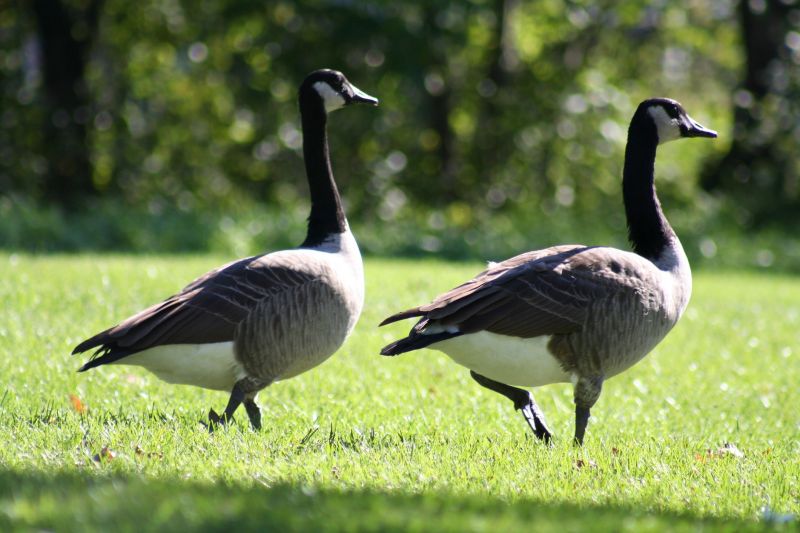
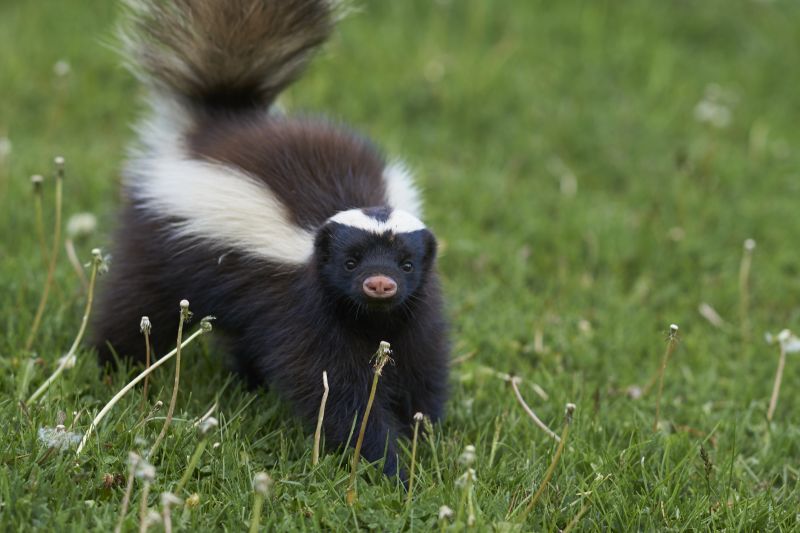
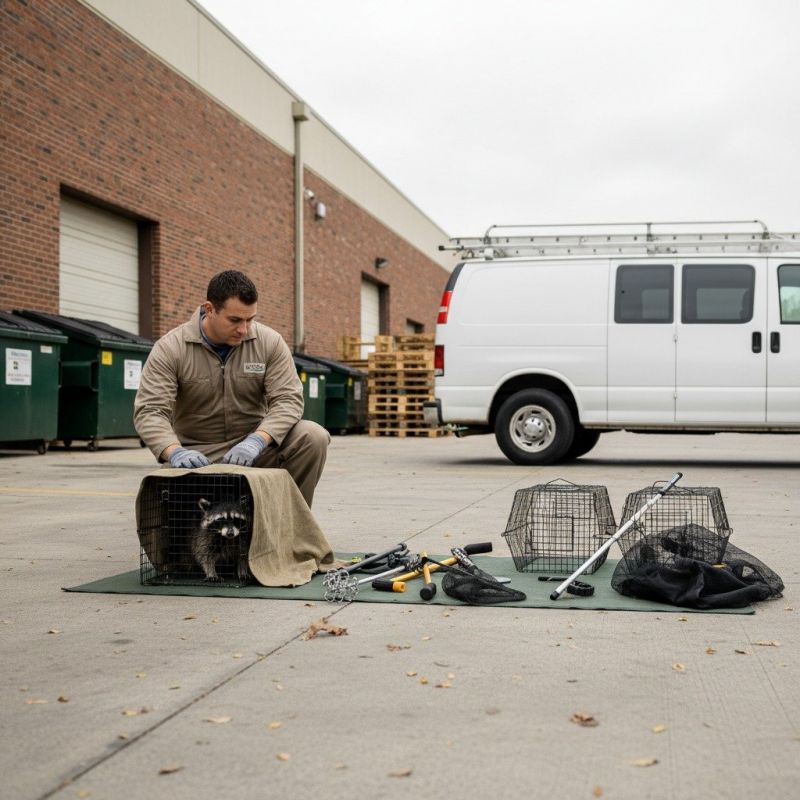
When people search for information on how wildlife can damage roofs, attics, and insulation, they are often concerned about the potential for animals to cause structural problems or create health hazards within their homes. This topic typically relates to situations where animals such as raccoons, squirrels, bats, or birds gain access to the roof or attic space, leading to damage or contamination. Homeowners may notice signs like strange noises, foul odors, or visible debris, prompting them to seek professional assistance. Understanding these issues helps homeowners recognize the importance of timely intervention to prevent further damage and avoid costly repairs.
The problems associated with wildlife intrusion often involve damage to roofing materials, such as torn shingles or displaced flashing, which can compromise the roof’s ability to protect the home from weather elements. In the attic, animals may chew through wiring, insulation, or structural components, creating safety risks and reducing energy efficiency. Insulation can become soiled, torn, or compressed by nesting animals, diminishing its insulating properties and increasing heating or cooling costs. These issues are common in homes that have gaps or vulnerabilities in their roofline, especially in older or poorly maintained properties, making it essential to address wildlife access points promptly.
Properties most frequently affected by wildlife damage include single-family homes, especially those with accessible attics or poorly sealed roofs. Rural or suburban homes with surrounding trees or shrubbery tend to be more attractive to animals seeking shelter or food. Additionally, buildings with damaged or aging roofing materials are more vulnerable to animal entry. Commercial properties with less frequent maintenance may also experience similar issues, particularly in areas where wildlife populations are dense. Recognizing the types of properties at risk helps homeowners and property managers understand where wildlife-related damage might occur and when to seek professional help.
Local service providers specializing in wildlife removal and damage repair play a crucial role in addressing these issues. They can identify entry points, safely remove animals, and implement measures to prevent future intrusions. These pros also assess the extent of damage to roofs, attics, and insulation, offering solutions that restore the property’s integrity and safety. Engaging experienced wildlife removal contractors ensures that the problem is handled efficiently and humanely, reducing the risk of recurring issues and protecting the home’s structural and indoor environment. Connecting with these local experts can be an important step in safeguarding a property against wildlife-related damage.
Bird Control Projects - These projects involve removing nesting birds and installing deterrents, skills that are useful when addressing wildlife damage to roofs and attics.
Rodent Proofing Services - Similar planning and sealing techniques are used to prevent rodents from entering attics and insulation, helping mitigate wildlife-related damage.
Attic Insulation Replacement - When wildlife damage has compromised insulation, local contractors can safely remove and replace it, applying knowledge from wildlife damage prevention.
Roof Repair and Restoration - Repairing damage caused by wildlife, such as chewed shingles or holes, requires expertise in roofing systems and damage assessment.
Wildlife Exclusion and Barrier Installation - Installing barriers to keep wildlife out of attics and roofs involves planning and specialized tools similar to those used in wildlife removal projects.
Pest and Wildlife Damage Inspection - Conducting thorough inspections to identify wildlife damage to roofs and insulation relies on skills developed in wildlife damage assessment and prevention.
When comparing local contractors for wildlife removal services related to damage caused by wildlife in roofs, attics, and insulation, it is important to consider their experience with similar projects. Homeowners should inquire about how long the service providers have been handling wildlife-related issues and whether they have a proven track record of successfully resolving damage caused by animals such as raccoons, squirrels, or bats. An experienced contractor will typically have a better understanding of the common entry points, damage patterns, and effective removal and prevention methods, which can help ensure the work is thorough and effective.
Clear written expectations are essential when evaluating wildlife removal services. Homeowners should seek detailed descriptions of the scope of work, including inspection procedures, removal methods, and any necessary repairs to prevent future infestations. Having a well-defined plan helps avoid misunderstandings and ensures that both parties agree on what will be done to address how wildlife can damage roofs, attics, and insulation. Reputable service providers will be transparent about their processes and provide documentation outlining the steps involved, so homeowners can make informed decisions.
Reputable references and good communication are key factors when choosing local contractors for wildlife-related damage repairs. Homeowners should ask for references or reviews from previous clients who had similar issues, as these can provide insights into the quality of the work and the reliability of the service provider. Additionally, effective communication-such as prompt responses to questions and clear explanations of the work-can help ensure that homeowners feel confident and well-informed throughout the process. Selecting a provider who values transparency and responsiveness can contribute to a smoother experience when addressing the damage caused by wildlife in roofs, attics, and insulation.
Property owners often search for how wildlife can damage roofs, attics, and insulation when they are planning practical projects around their homes and businesses. Local pros provide Wildlife Removal services for everyday jobs and straightforward project options.
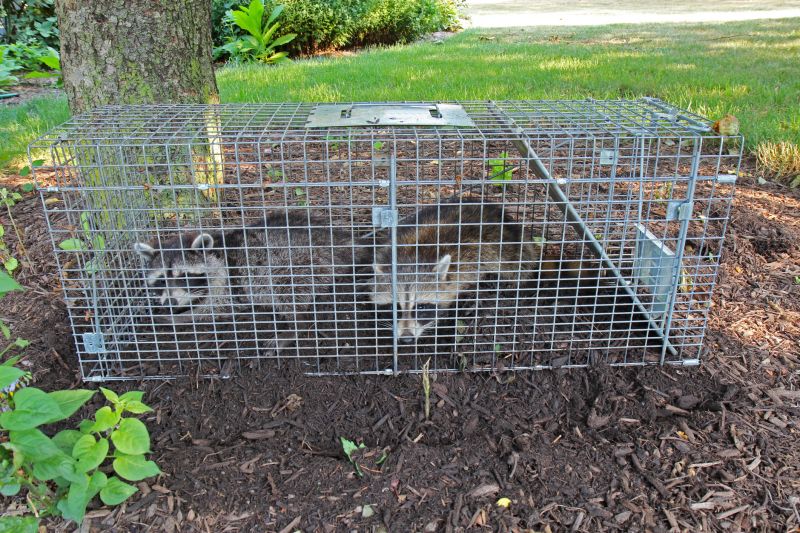
Wildlife can often find their way into roofs, attics, and insulation, especially when gaps or openings develop around a property. Common visitors such as raccoons, squirrels, and birds may cause damage by tearing into roofing materials or creating nests in hidden spaces, which can lead to structural issues over time. Property owners noticing signs like strange noises, droppings, or damaged insulation might seek out wildlife removal services to address these problems before they worsen.
In many cases, wildlife can also compromise attic insulation, reducing its effectiveness and leading to increased energy costs. Additionally, animals can chew wiring or other essential components, creating safety hazards or potential fire risks. Local contractors specializing in wildlife removal can help safely and effectively remove unwanted visitors and repair any damage caused, helping to protect the integrity of the roof, attic, and insulation.
How can wildlife damage roofs and attics? Wildlife such as raccoons, squirrels, and birds can cause damage by chewing through roofing materials, creating entry points, and nesting in attic spaces, which may lead to structural issues and insulation contamination.
What types of wildlife are most likely to damage insulation? Animals like raccoons, rodents, and birds often burrow into or nest within insulation, compressing or tearing it, which reduces its effectiveness and can lead to increased energy costs.
How do wildlife animals gain access to roofs and attics? Wildlife can enter through small openings, damaged vents, gaps around chimneys, or loose shingles, often exploiting weak spots in the roof or attic to gain entry.
What signs indicate wildlife damage to a roof or attic? Signs include scratching or scurrying noises, droppings, chewed wiring or insulation, and visible holes or nesting materials around the roof and attic spaces.
How can local service providers help prevent wildlife-related damage? Local contractors can inspect, seal entry points, remove existing wildlife, and repair damaged roofing and insulation to protect the home from further wildlife damage.
Identify wildlife entry points - inspecting roofs and attics for gaps or holes helps determine where animals may be gaining access, and local contractors can assist with sealing these openings effectively.
Assess insulation damage - evaluating affected insulation allows property owners to understand the extent of wildlife-related harm and plan for removal or replacement with help from local service providers.
Implement deterrent measures - installing barriers or repellents can prevent wildlife from returning to damaged areas, with local pros providing safe and effective solutions tailored to the property.
Schedule professional removal services - enlisting wildlife removal experts ensures animals are safely removed and property repairs are completed to prevent future damage from wildlife activity.
If you are thinking about how wildlife can damage roofs, attics, and insulation for a property, this guide is meant to help you understand this topic, the typical project types, and how different options might fit your plans.
When you are ready, you can use the quote form on this page to share a few details about your project. From there, local pros can review the basics and follow up with options that match what you have in mind.